How Often Should You Have an Eye Test?
Regular eye tests are one of the simplest ways to look after your vision, but many people only book an appointment when they notice something has changed. If your glasses still feel comfortable or your eyesight seems fine, it can be easy to put an eye test off for another few months. The problem is that your eyes can change gradually, and some issues are not always obvious in day-to-day life.
For people living in and around Houghton le Spring, having a trusted local optician makes it easier to stay on top of your eye health. Whether you wear glasses every day, only need reading glasses, use contact lenses or have never needed prescription eyewear before, regular eye tests help make sure your vision is clear and your eyes are properly checked.
Why regular eye tests matter
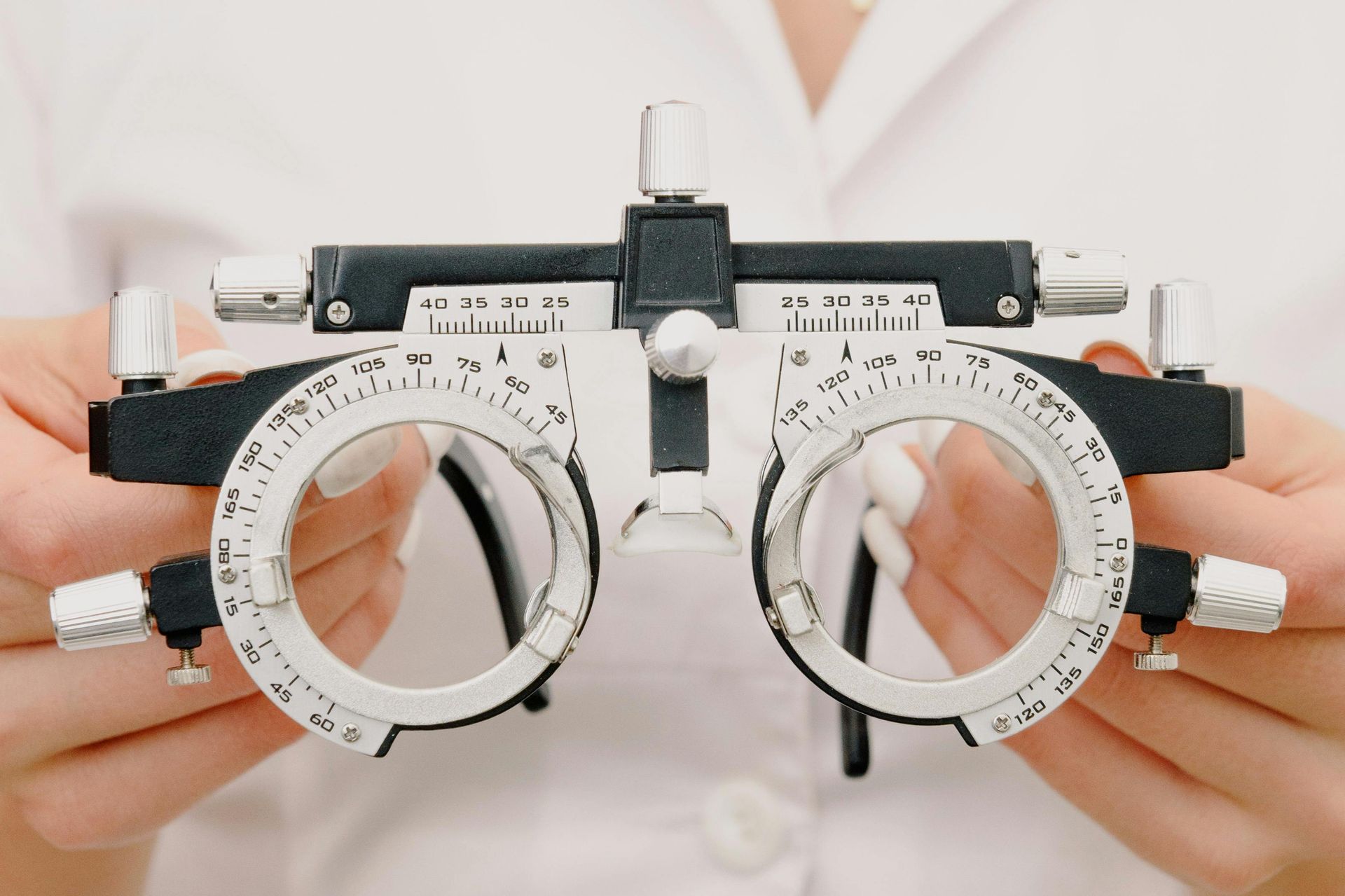
An eye test is not just about finding out whether you need new glasses. It is a detailed check of how well you can see and how healthy your eyes are. During an appointment, your optician can look for changes in your prescription, assess how your eyes are working together and check for signs that may need further investigation.
This matters because many changes in vision happen slowly. You may not notice that road signs are becoming harder to read, that your eyes feel more tired at work or that you are holding your phone further away than you used to. These small adjustments can become normal over time, even when your eyes would benefit from a new prescription or further advice.
Regular eye tests also give you the chance to ask questions. If you are getting headaches, struggling with night driving, finding screen work uncomfortable or noticing changes when reading, an eye test can help identify whether your vision is contributing to the problem. For many people, the reassurance alone is valuable.
How often should adults book an eye test?
Most adults are advised to have an eye test around every two years, but this can vary depending on personal circumstances. Some people may need to be seen more often, especially if they have an existing eye condition, a strong prescription, diabetes, a family history of certain eye conditions or symptoms that need monitoring.
Age can also affect how regularly you should attend. As people get older, changes in near vision become more common, and some eye health risks increase with age. If your optician recommends more frequent checks, it is usually because they want to monitor your eyes closely and make sure any changes are picked up as early as possible.
You should not wait for the two-year mark if something feels different. If your vision changes suddenly, if you notice flashes or floaters, if you experience eye pain or if one eye seems different from the other, you should seek appropriate medical advice quickly. Routine eye tests are important, but urgent symptoms should always be treated with the seriousness they deserve.
Signs you may need an eye test sooner
There are several signs that it may be worth booking an eye test before your next routine appointment is due. Blurred vision is one of the most obvious, but it is not the only symptom to look out for. You might notice that text looks less sharp, your eyes feel tired after reading, or you are squinting more often when trying to focus on objects in the distance.
Headaches can sometimes be linked to changes in vision, particularly if they happen after screen use, reading or close work. Eye strain, watery eyes, difficulty focusing, trouble driving at night and needing brighter light to read can also suggest that your eyes need checking. These symptoms do not always mean something serious is wrong, but they are worth discussing with an optician.
Children and teenagers may show different signs. They may sit very close to screens, lose their place when reading, complain of headaches, avoid schoolwork or seem to struggle to see the board at school. Because children do not always know what normal vision should feel like, routine checks can be especially useful.
What happens during an eye test?
If you have not had an eye test for a while, the process is usually more straightforward than people expect. Your optician will ask about your vision, your general health, any symptoms and whether you currently wear glasses or contact lenses. They may also ask about your work, hobbies and screen use, because your daily routine can affect what type of prescription or lenses will suit you best.
The test itself usually includes reading letters from a chart, checking each eye individually and assessing whether lenses improve your vision. Your optician may also carry out checks to assess the health of the front and back of your eyes. Depending on your age, symptoms and history, additional checks may be recommended.
At CostSpex, appointments are designed to be clear and supportive, so you understand what is being checked and what the results mean. If your prescription has changed, the team can explain your options and help you choose glasses or lenses that suit your lifestyle, budget and preferences.
Eye tests for people who already wear glasses
If you already wear glasses, it can be tempting to assume that everything is fine as long as your current pair still works. However, glasses prescriptions can change gradually. You might still be able to see, but not as clearly or comfortably as you could with an updated prescription.
Old or inaccurate lenses can contribute to eye strain, especially if you spend long periods reading, driving or using digital screens. You may also find that your frames no longer fit as well as they used to, or that your lenses are scratched and affecting clarity. An eye test gives you a chance to check both your prescription and your eyewear.
This does not always mean you need to buy a completely new pair of glasses. Sometimes a small prescription change is enough to make a noticeable difference. In other cases, you may benefit from different lenses for specific tasks, such as reading, computer work or driving.
Eye tests for children and young people
Children rely heavily on clear vision for learning, reading, writing and everyday development. Because they may not realise their eyesight is different from anyone else’s, they might not complain even when they are struggling. This is why regular eye checks can be so important.
A child who cannot see clearly may lose concentration, avoid reading or appear frustrated at school. Sometimes these behaviours are mistaken for lack of interest, when the underlying issue may be visual. An eye test can help identify whether glasses are needed or whether further advice would be useful.
For families near Houghton le Spring, using a local optician can make routine checks easier to manage. It also means children can become familiar with the environment, which may make future appointments feel less daunting.
Eye tests for older adults
As we age, our eyes naturally change. Reading small print can become harder, glare may become more noticeable and some people find that night driving becomes less comfortable. Regular eye tests help monitor these changes and make sure your prescription remains suitable.
Older adults may also be more likely to need checks for eye health conditions. An eye test cannot replace medical care where needed, but it can help identify signs that may require referral or further investigation. This makes regular appointments a useful part of looking after overall wellbeing.
The right eyewear can also make everyday life easier. Well-fitted reading glasses, varifocals, prescription sunglasses or specialist lenses can all support comfort, confidence and independence.
Why choosing a local optician can help
Convenience matters when it comes to routine eye care. If your optician is easy to reach, you are more likely to book appointments on time, ask for adjustments when needed and return for advice if something changes. A local optician can also provide a more personal experience, especially if you prefer dealing with a familiar team.
For people searching for opticians in Houghton le Spring, CostSpex offers access to eye tests, glasses, lenses, sunglasses and practical advice from an experienced independent opticians. The aim is not only to check your vision, but to help you understand your options clearly.
Local advice is especially valuable when choosing glasses. The right frames and lenses depend on more than your prescription. They need to suit your face, your routine and how you use your eyes every day. Speaking to someone in person makes it easier to compare options and find eyewear that feels right.
How eye tests support better eyewear choices
An up-to-date prescription is the starting point for comfortable glasses. Without it, even attractive or expensive frames may not give you the clarity you need. Once your eyes have been tested, your optician can explain whether you need single vision lenses, reading glasses, bifocals, varifocals or another option.
This is particularly useful if your lifestyle has changed. You may now spend more time at a computer, drive more often, read more frequently or need glasses for work tasks. Your eyewear should reflect how you actually live, not just what is written on your prescription.
CostSpex can help customers choose from a range of glasses and lens options, including affordable everyday eyewear and designer frames. By combining an accurate eye test with personal fitting advice, you can leave with glasses that are practical, comfortable and suited to your needs.
Regular eye tests are an important part of looking after your vision. Even if you feel your eyesight is fine, a routine appointment can check for changes, update your prescription and give you peace of mind about your eye health. For adults, every two years is a common guideline, but some people need to be seen more often depending on age, symptoms or medical history.
If you live in or around Houghton le Spring, choosing a local independent optician can make eye care simpler and more personal. CostSpex provides eye tests, eyewear advice and a wide range of glasses and lenses, helping you make confident decisions about your vision. Whether you are due for a routine check or have noticed a recent change, booking an eye test is a sensible step towards clearer, more comfortable sight.